

Termite Repair involves the comprehensive restoration of structures damaged by termite infestations. From repairing wood damage to preventing future infestations, termite repair is essential for maintaining the structural integrity of a building. Tackling termite damage promptly can prevent further structural deterioration and reduce the risk of future infestations. Understanding the scope of termite repair and the necessary steps to address the damage is crucial for property owners. With proper repair and maintenance, properties can be safeguarded against the destructive impact of termites, ensuring long-term structural stability and integrity.
Professional assessment and restoration services are key to addressing termite damage effectively and preserving the value and safety of a property.

Signs Of Termite Presence
Signs of termite presence include hollow-sounding wood, sagging floors, and mud tubes near the foundation. It is crucial to address termite damage promptly to prevent further structural issues and costly repairs. Regular inspections can help detect and repair termite damage early on.| Signs of Termite Presence | |
| Mud tubes on exterior walls | Termite infestations can be identified by the presence of mud tubes on exterior walls. |
| Hollow sounding wood | One of the most noticeable signs of termite presence is the hollow sound that wood produces when tapped or knocked. This indicates that the wood has been hollowed out by termites. |
| Frass (termite droppings) | Termite droppings, also known as frass, are a clear indication of a termite infestation. These tiny pellets of wood-colored droppings can be found near the infested area. |
| Discarded wings near windows or doors | The presence of discarded termite wings near windows or doors is a common sign of termite swarming activity. Termite swarmers shed their wings after finding a new place to establish a colony. |
Assessing Termite Damage
Termite damage can significantly impact the integrity of a structure, compromising its strength and stability. Areas such as load-bearing walls, support beams, and wooden foundations are commonly affected, leading to potential safety hazards. The extent of damage can vary, from surface-level deterioration to deep structural impairment, requiring thorough evaluation and repair. It is essential to utilize specialized tools such as moisture meters and infrared cameras to assess the full scope of termite-related damage, enabling accurate identification of compromised areas.Treatment Before Repair
Bait stations: Termite bait stations are placed in the ground around the perimeter of a structure. When termites are discovered in a station, a bait is added. The termites feed on the bait and take it back to the colony, ultimately eliminating the entire colony. Liquid termite barriers: Liquid termiticides are applied to the soil beneath and around the structure. Termites are killed as they come into contact with the treated soil. Professional application is necessary to ensure the barrier is continuous and complete. Borate treatments on wood surfaces: Borates are applied to wood surfaces to protect against termite infestations. The treatment penetrates the wood and provides long-lasting protection. It is an effective way to prevent and control termites in wood.Handling Minor Termite Damage
When addressing minor termite damage, it’s important to use wood hardeners to strengthen and restore wood that has been affected by superficial termite activity. Wood hardeners are specifically formulated to penetrate deep into the wood fibers, providing a durable and long-lasting solution. For small repairs, epoxy fillers are ideal for filling in the damaged areas and bonding securely to the wood. These fillers are designed to effectively restore the structural integrity of the wood, ensuring a seamless and uniform finish. By utilizing these specialized products, you can effectively handle minor termite damage and prevent further deterioration of the affected areas.Structural Repairs For Termite Damage
When repairing termite damage, it’s crucial to address compromised beams with sistering, which involves adding new wood for reinforcement. This technique helps restore the structural integrity of the affected area, preventing further damage. Additionally, replacing severely damaged wood sections is essential to eliminate the root cause of the issue. By addressing these key areas, homeowners can effectively mitigate the impact of termite damage and ensure the stability of their property.Choosing A Qualified Contractor
When looking for a qualified contractor for termite repair, it’s crucial to verify licensing and insurance. Ensure the contractor has experience in handling termite damage repair. Check customer reviews and portfolio to gauge their expertise and reliability. Choose a contractor with a strong track record in termite repair and a proven ability to deliver high-quality work.Repairing Vs. Rebuilding Considerations
When deciding between repairing and rebuilding in termite repair, it is important to carefully assess the cost-benefit analysis of each option. Repairing can be a viable option when the damage is isolated and limited, providing a more cost-effective solution. Rebuilding may be necessary when the infestation has caused extensive structural damage, offering a longer-term solution. Understanding the extent of the damage and consulting with professionals can help determine the most suitable course of action. It is crucial to consider the long-term implications of each decision, including the potential for future infestations and the overall structural integrity of the property.Regular Inspections And Monitoring
Regular inspections and monitoring are essential for preventing and dealing with termite infestations. Scheduling professional termite inspections on a regular basis can help identify any potential issues early on, allowing for prompt treatment and repairs. Installing monitoring systems around your property can also provide ongoing protection, enabling you to detect any signs of termite activity before significant damage occurs. By staying proactive and vigilant, you can minimize the impact of termites and safeguard your property against costly repairs.Preventative Measures After Termite Repair
After termite repair, it’s crucial to take preventative measures to avoid any future infestations. Implementing chemical barriers and baits can help deter termites from returning. Additionally, reducing moisture and wood-to-ground contact around the property creates an inhospitable environment for termites. Ensuring proper ventilation and thoroughly sealing entry points further fortifies the property against potential termite invasions.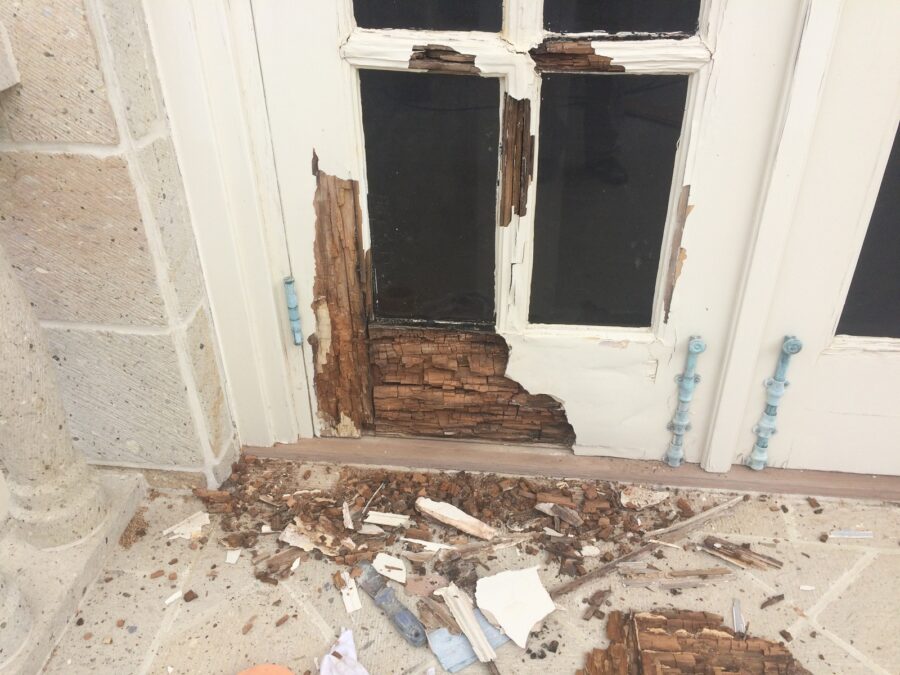
Why is Castle Constructions Company best for termite repair service
Castle Constructions Company stands out as the premier choice for termite repair services due to its unwavering commitment to excellence. With a stellar reputation built on years of expertise, Castle Constructions employs a team of highly skilled professionals dedicated to eradicating and repairing termite damage efficiently. Their comprehensive approach ensures thorough inspection, precise diagnosis, and swift, effective repairs, leaving no room for recurrence. Meticulous attention to detail, cutting-edge technology, and top-notch materials set Castle Constructions apart, guaranteeing unparalleled quality. Clients trust Castle Constructions for a seamless experience, from initial assessment to project completion, making them the go-to for reliable and lasting termite repairs.FAQs For Termite Repair
Can You Repair Termite Damaged Wood?
Yes, termite damaged wood can be repaired through a process involving filling, sealing, and reinforcing. Professional exterminators and carpenters can assess the extent of damage and apply appropriate treatments to restore the wood’s integrity.Can A Termite Infested House Be Saved?
Yes, a termite infested house can be saved with professional treatment and repairs. Hiring a pest control company and addressing any structural damage can help restore the home’s integrity. Regular inspections and preventative measures are also important to prevent future infestations.Can You Recover From Termite Damage?
Yes, you can recover from termite damage by repairing and treating the affected areas. Professional pest control services can help stop further damage and protect your property. Regular inspections and preventive measures are essential for long-term termite management.Is Your House Ruined If You Have Termites?
Yes, termites can cause significant damage to your house, potentially ruining its structural integrity. Regular inspections are essential.Conclusion
Termite damage can be a serious and costly issue for homeowners. It’s essential to address any signs of termite infestation promptly to prevent further damage to your property. With the help of professional termite repair services, you can ensure that your home is properly restored and protected from future termite attacks.